Does your water smell, taste bad, yellow your laundry, or leave hard water build-up? Because your family deserves nothing less than the best, it’s time to know what’s in your water!
"*" indicates required fields
We’ll test your home’s water and answer all your questions. The process is quick and can be scheduled at your convenience. Clean, high-quality water is closer than you think. Let us help.
At C and J Water, our mission is to elevate your water experience. We don’t just analyze your water—we aim to transform it. With unparalleled expertise in both city and well water systems, we harness advanced technologies and years of experience in Indiana water to perfect what flows into your home. It’s not just about clean or clear water—it’s about experiencing water at its absolute best!
Water hardness is caused by high levels of calcium and magnesium dissolved in your water. This hinders soap’s ability to lather and leaves behind stubborn mineral deposits. Over time, this can not only damage your appliances and plumbing but also affect your skin hair.
pH measures how acidic or alkaline your water is. When water is not in balance, it can corrode pipes, damage appliances, and negatively impact skin and hair health.
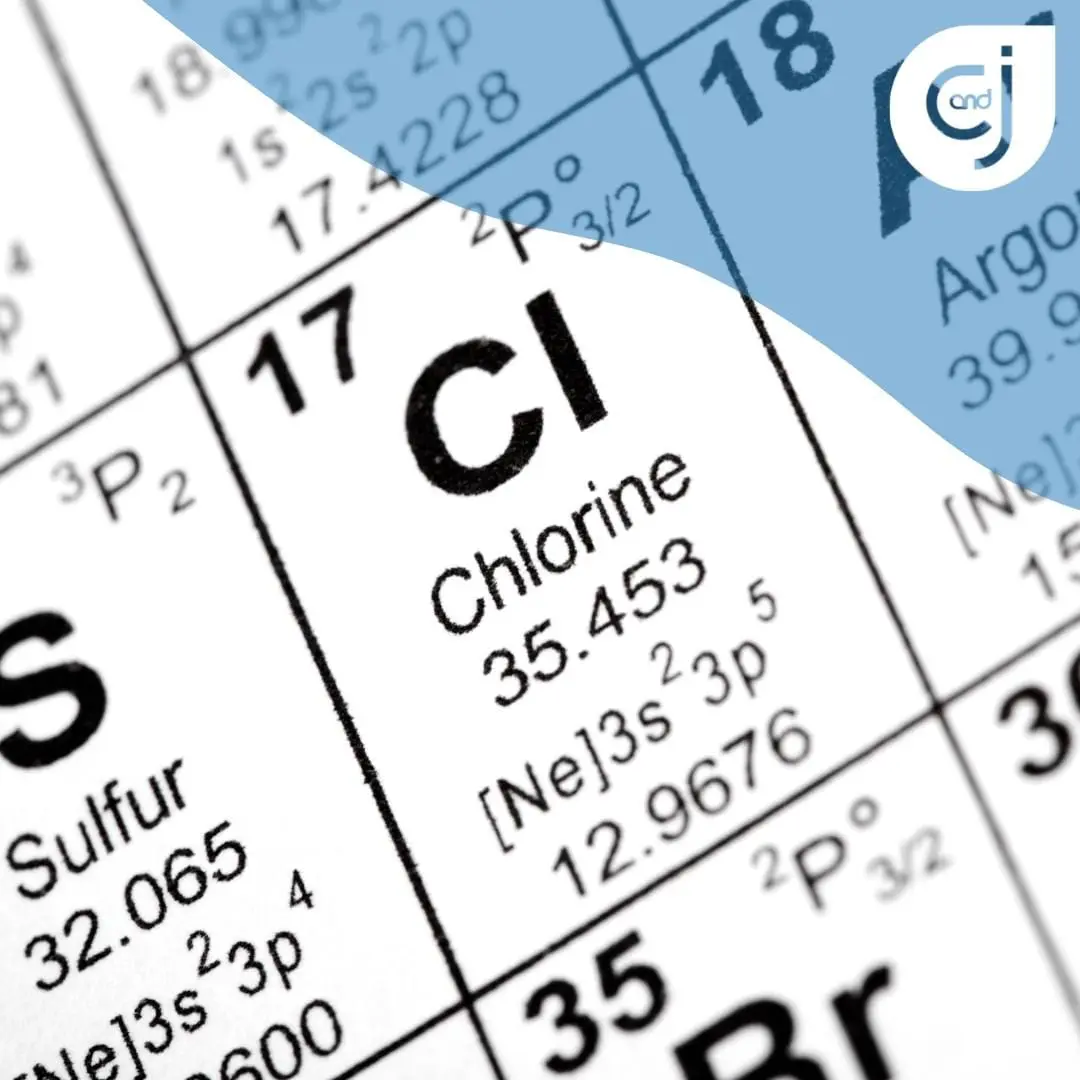
Chlorine and chloramines are commonly used in city water to kill harmful microbes. While effective, high levels of these chemicals can affect odor-taste, dry skin and hair, and may react with organic matter to produce harmful byproducts.
Iron in water shows up as reddish-brown stains on fixtures and laundry. High iron levels can not only alter the taste and appearance of your water but also clog pipes and appliances, reducing their efficiency and lifespan.
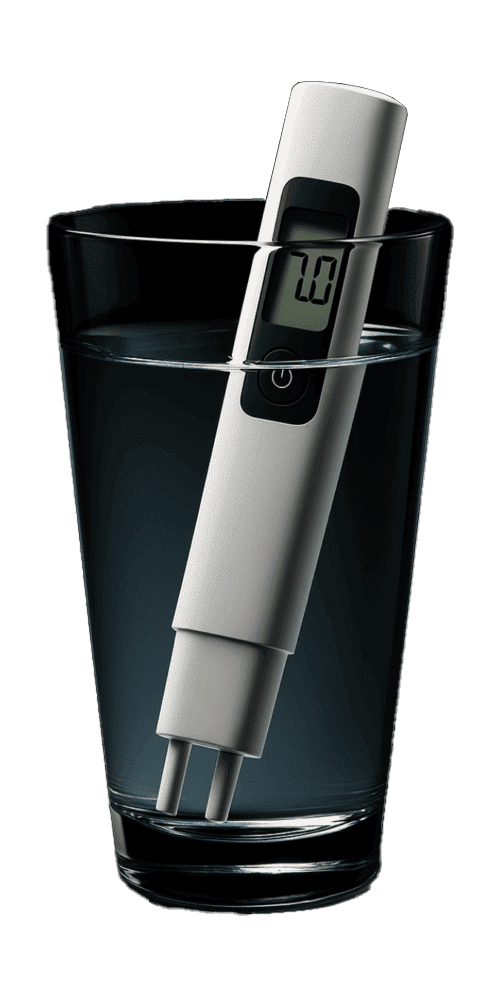
Total Dissolved Solids (TDS) are the combined inorganic, and organic substances present in your water. A low level of TDS is generally acceptable. Excessive amounts can affect taste, build up in pipes and appliances, and may indicate harmful contaminants like heavy metals or chemicals.
Forever chemicals, including PFAS, PFOA, and other harmful contaminants like volatile compounds and microplastics, are increasing in water supplies. These substances don’t break down in the environment and can accumulate in the human body. This can lead to serious health risks such as cancer, liver damage, and developmental issues.
Metals such as lead, mercury, arsenic, and cadmium can make their way into water supplies through natural sources, industrial processes, or corroded plumbing. High levels of these metals can lead to serious health issues.
*Metals testing is available for an additional fee.
Harmful bacteria are often introduced into water through sewage contamination, agricultural runoff, or failing septic systems. Exposure to these bacteria can lead to gastrointestinal illnesses, infections, or more severe health complications, particularly for vulnerable populations.
*Bacteria testing is available for an additional fee.
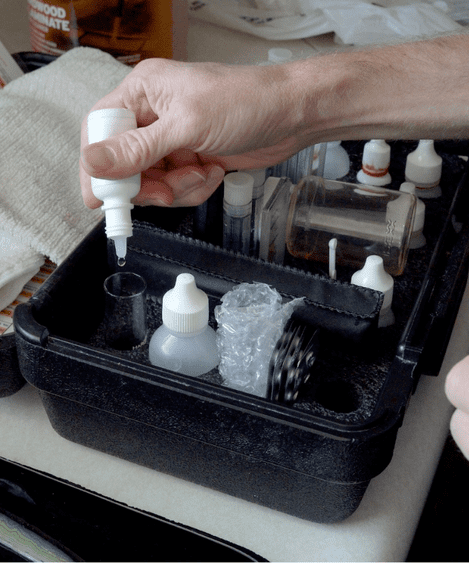
A free water analysis checks for common water quality issues like hardness, iron, sulfur, pH, chlorine, and staining causes. It helps identify what is affecting your water and whether treatment may be needed. More extensive testing is available for additional costs.
You may need a water test if your water has a bad smell, unusual taste, staining, buildup, or a sudden change in quality. It is especially important for homes with well water.
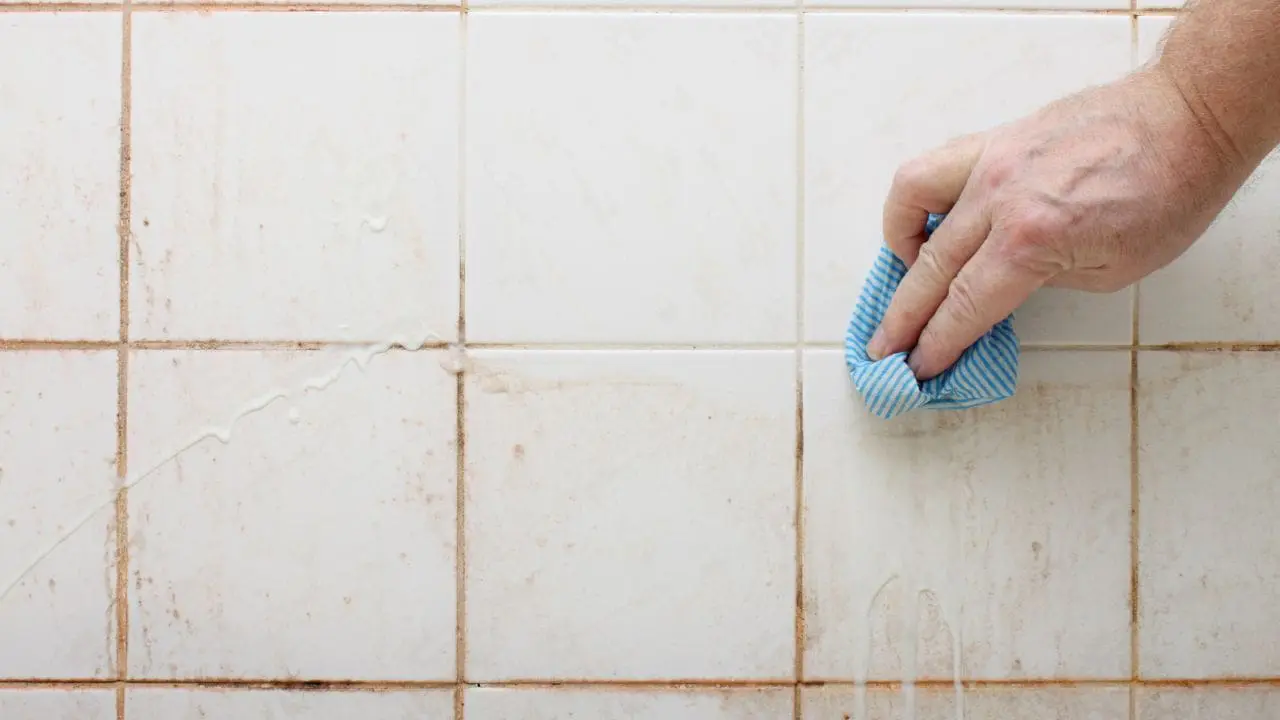
Common signs of hard water include scale buildup, soap scum, water spots, dry skin, stiff laundry, and reduced soap lather. Hard water can also wear down plumbing fixtures and appliances over time.
A sudden bad smell in your water can be caused by sulfur, bacteria, chlorine, or changes in your water source. A water test can help identify the cause of the odor.
Yes, water testing in addition to the FWA can check for PFAS, lead, bacteria, and other contaminants, but some require specialized lab testing. The right test depends on your water source and what concerns you are trying to rule out.
Yellow or rust-colored stains are often caused by iron in the water. In some cases, manganese or tannins may also contribute to discoloration.
The best way to test for iron in your water is with a professional water analysis. This can confirm whether iron is present and help determine the right treatment option.
Yes, tap water can be tested for chlorine, especially if it has a chemical smell or taste. This type of test helps confirm whether chlorine is in your water, but it does not measure the exact level.
You may have hard water if you notice water spots, scale buildup, soap not rinsing well, or buildup in appliances. A water test is the most accurate way to confirm it.
Yes, an additional water test can check for bacteria, including E. coli, in well water, typically conducted in a lab. This is important if your water has changed or you want to confirm it is safe to use.