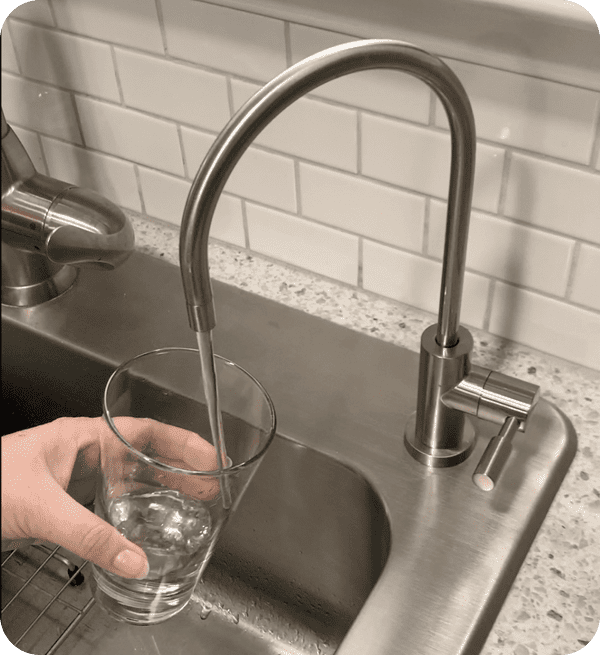
City water treatment options depend on conditions measured at the tap. Common solutions include reverse osmosis systems for drinking and cooking water, carbon filtration to reduce chlorine taste and odor, whole-house carbon filtration, water softeners for hardness control, and point-of-entry systems for lead and metal reduction. Treatment is selected based on test results, not assumptions.
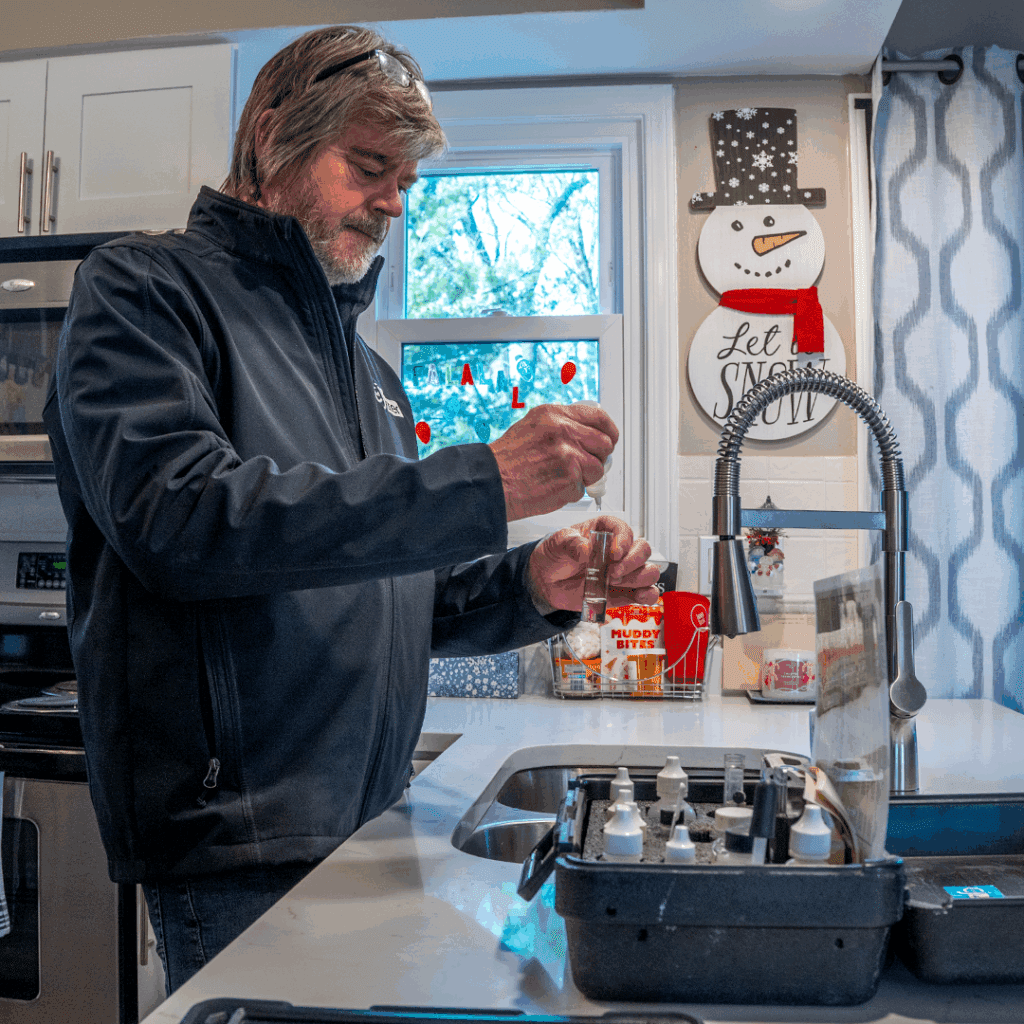
Most lead exposure from city water occurs after the water enters the home, typically from lead service lines, older solder, or brass fixtures. Municipal treatment does not remove this risk. Testing at the tap is the only way to confirm lead exposure.
PFAS and other emerging contaminants may be present even when municipal water meets current standards. City testing can be limited in scope or frequency, which is why point-of-use testing and treatment are often used to protect drinking water.
City water is treated centrally, but quality can vary by neighborhood and plumbing. Well water is untreated at the source and requires homeowner testing. C and J Water designs testing and treatment solutions for both.
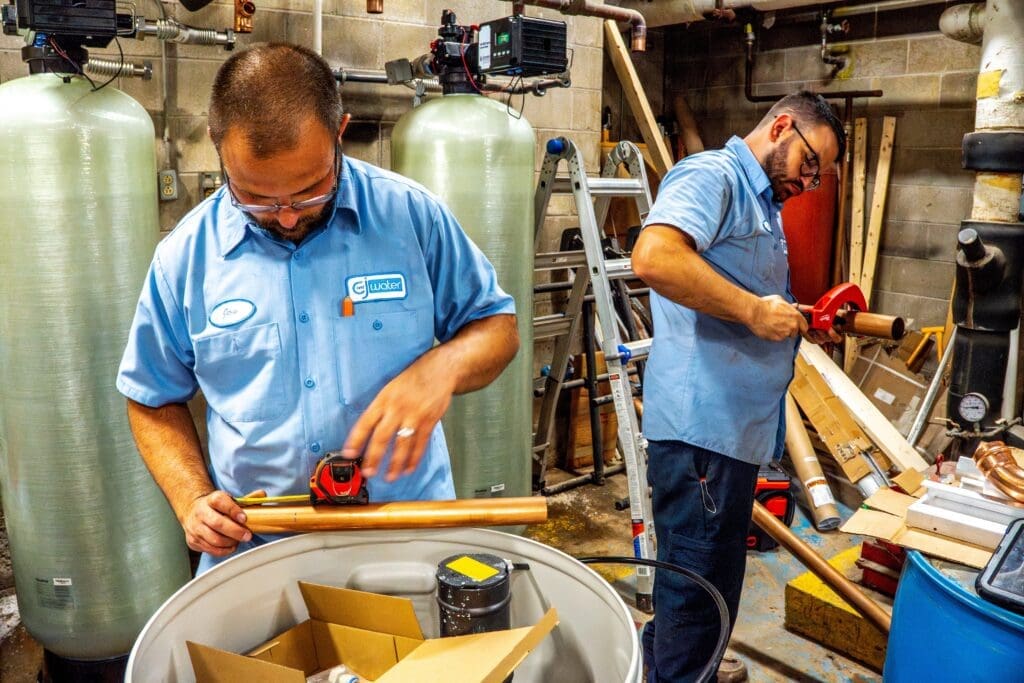
C and J Water follows a testing-first approach, with experience in municipal and residential plumbing systems, proper system sizing, clear explanation of results, and no unnecessary equipment recommendations.
Municipal compliance does not guarantee optimal water quality at your home. Schedule a city water test with C and J Water to choose the right solution based on real data.