Advanced Drinking Water Purification Without a Storage Tank
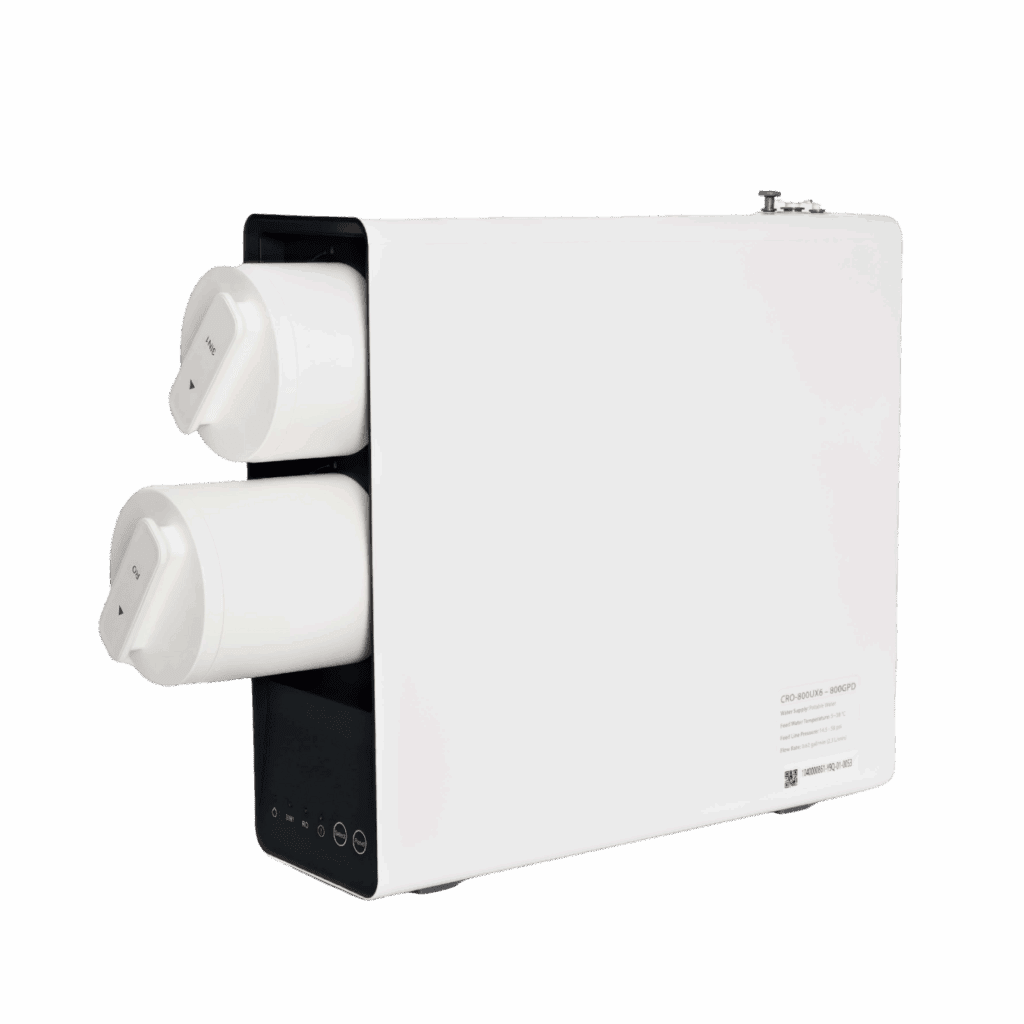
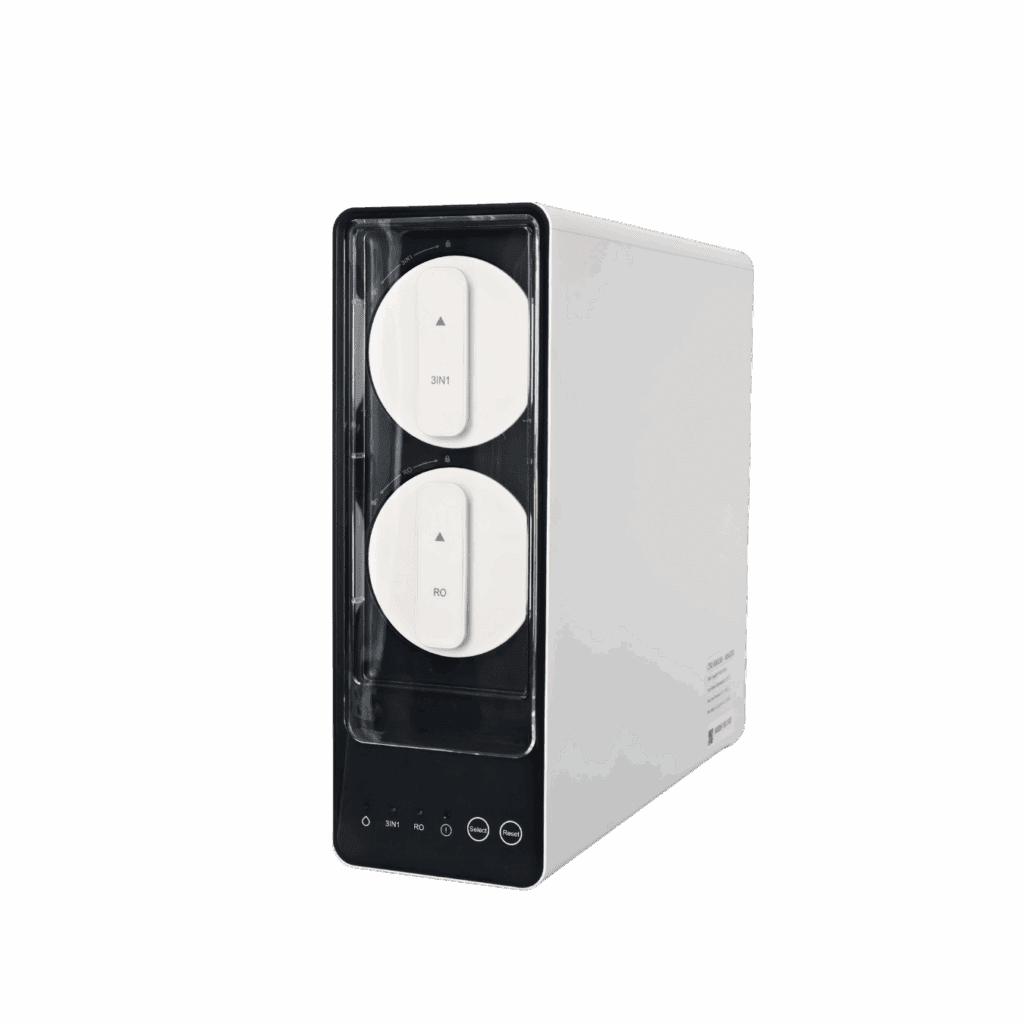
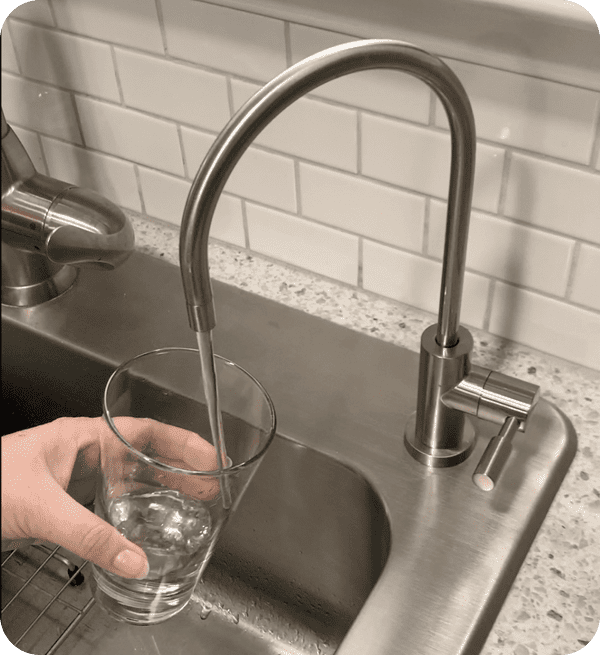
Tankless reverse osmosis (RO) systems are an advanced water treatment option designed for applications requiring high-efficiency purification, compact installation, and continuous on-demand performance. Unlike conventional tank-based RO systems, tankless RO uses an integrated pump and electronic controls to deliver purified water directly, without stored volume. Tankless RO is a specialized solution appropriate only when water chemistry, usage demand, and installation constraints justify a higher-performance design.
You Don't Need Better
Lotion
Soap
Detergent
Shampoo
Plant Food
Dish Soap
Makeup
Cleaners
You Need Better
Water
Contaminants Reduced by Tankless RO Systems
Tankless reverse osmosis systems provide the same core contaminant reduction as traditional RO technology, including: Total Dissolved Solids (TDS) — Lead — Chlorine and chloramine byproducts — Taste- and odor-causing compounds — Fine sediment and particulate matter By reducing dissolved mineral content, tankless RO systems also help limit scale accumulation in kettles, coffee machines, humidifiers, and other steam-producing or heat-exchange appliances.
How Tankless Reverse Osmosis Systems Operate
Tankless RO systems achieve performance gains through powered operation and real-time monitoring: No storage tank – Compact, space-efficient under-sink installation On-demand purification – Continuous flow up to approximately 0.62 gallons per minute High efficiency ratio – Typical water usage near 2:1 (purified to waste) Quick-change disposable filters – Reduced service time and consistent performance Filter life monitoring – Visual indicators for maintenance accuracy Integrated leak detection – Automatic shutoff with audible alert Tankless RO is not a universal replacement for standard reverse osmosis. It is a specialized solution appropriate only when water chemistry, usage demand, and installation constraints justify a higher-performance design.
Electrical and Installation Requirements
Tankless RO systems require a dedicated 115-volt electrical outlet to power: — Internal booster pump — Flow and pressure sensors — Electronic monitoring and safety systems This electrical requirement differentiates tankless RO from passive, non-powered reverse osmosis systems and must be evaluated during system planning.
What is a tankless reverse osmosis system?
A tankless reverse osmosis system is a powered RO filtration system that purifies water on demand without storing it in a pressure tank. It uses an internal pump and electronic controls to maintain consistent flow and efficiency.
Is tankless RO better than traditional RO?
Tankless RO is not universally better. It offers advantages in space efficiency, continuous flow, and monitoring, but requires electricity and is more sensitive to water chemistry. Suitability depends on application and source water conditions.
Does tankless RO remove lead from drinking water?
Yes. Tankless RO systems reduce dissolved lead as part of standard reverse osmosis membrane performance when properly specified and maintained.
Does tankless RO require electricity?
Yes. Tankless RO systems require a dedicated 115-volt outlet to operate the pump, sensors, monitoring electronics, and safety shutoff features.
Does a tankless RO system waste less water?
Most tankless RO systems operate at approximately a 2:1 purified-to-wastewater ratio, which is more efficient than many traditional tank-based RO systems.
Is tankless RO suitable for well water?
It can be, but only after water testing. High iron, manganese, hardness, sulfur, or biological activity may require pretreatment before a tankless RO system can operate reliably.
How fast is tankless reverse osmosis water production?
Typical output is continuous flow up to approximately 0.62 gallons per minute, depending on inlet pressure, temperature, and membrane condition.
Does tankless RO reduce scale?
Yes. By lowering total dissolved solids and hardness-related minerals, tankless RO reduces scale formation in appliances that heat or vaporize water.