Facebook Pixel

Water Softeners

Hard Water? Hard Pass.

Say farewell to hard water headaches—no more dry skin, lifeless hair, or unsightly mineral buildup on dishes and surfaces. With a water softener, every drop becomes gentler, cleaner, and better for your home and your family.

The benefits go beyond what meets the eye—softer fabrics, sparkling dishes, and optimized performance for your appliances. Water softeners help prevent scale buildup, extend the life of your plumbing, and reduce energy costs, saving you time and money in the long run. 

Discover the power of soft water and elevate every shower, every drink, and every load of laundry. A water softener doesn’t just improve your water—it transforms your home and enriches your daily routine. Feel the difference in every drop.

Device with gear icon.
Extended Appliance Lifespan

Soft water reduces the buildup of minerals in home appliances, such as water heaters, dishwashers, and washing machines, which can extend their lifespan and improve efficiency.

Water valve icon with droplet.
Reduced Household Maintenance

Soft water minimizes lime scale deposits in pipes and on fixtures, such as faucets and showerheads, which can lead to fewer blockages, reduced corrosion, and lower maintenance costs.

Face and water droplet icon.
Smoother Skin and Softer Hair

Soft water is gentler on skin and hair, helping to maintain natural oils, which can result in softer skin and more lustrous hair, while preventing the dryness associated with hard water.

Soap dispenser, sponge, and water droplet.
Enhanced Cleaning Efficiency

With soft water, you can use less soap and detergent for cleaning tasks because it creates a richer lather and reduces soap scum, leaving dishes, laundry, and even your hair and skin feeling cleaner.

Clean t-shirt icon.
Brighter and Softer Clothes

Washing clothes in soft water can prevent the dulling and stiffening effect of hard water, resulting in brighter colors and softer fabrics after laundry.

It's Not Your Shampoo, It's Your Water.

Hard water makes it “harder” for shampoos, soaps, and detergents to do their job!. Minerals like calcium and magnesium stop cleaning products from lathering, creating soap scum that reduces their cleaning power. It takes more soap to do the same job. This means you might need to use more shampoo to clean your hair, which can cost more over time. Soap scum can stick to you, leaving hair dull and heavy and skin feeling dry or tight after washing. It can also make sensitive skin or scalp problems worse by clogging pores and stopping moisture from soaking in.

Hard water also affects laundry. It makes detergents less effective, so you might need more detergent to clean your clothes. Over time, clothes can start to look faded, feel stiff, and wear out faster. Dishwashing has similar problems—hard water can leave spots or a cloudy film on dishes and glasses because detergents don’t work as well.

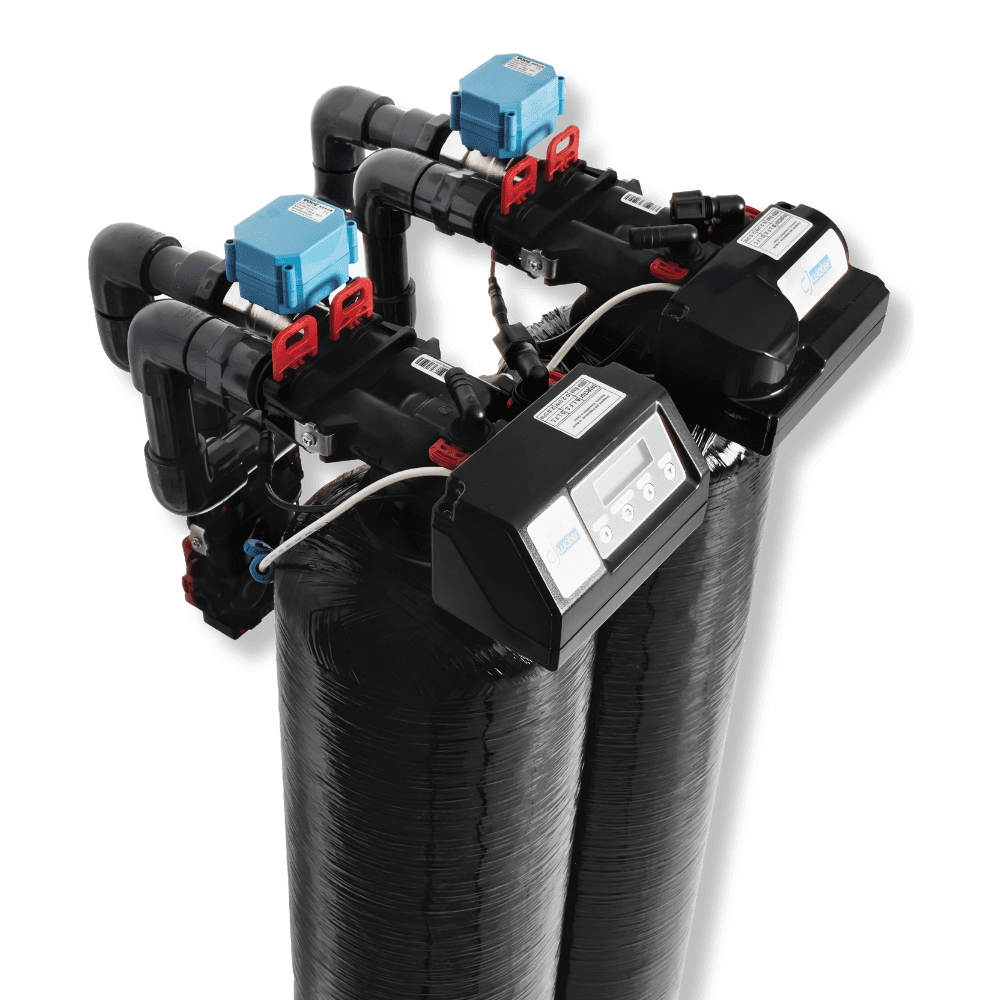
Dual tank water softener system with brine tank installed for residential whole-house water treatment

Twin-Tank Softeners

Soft Water—24/7

The twin tank offers the advantage of regenerating with soft water, providing you with soft water 24 hours a day and a longer-lasting water softener. Recommended for:
  • high water consumption
  • high iron content
  • high efficiency

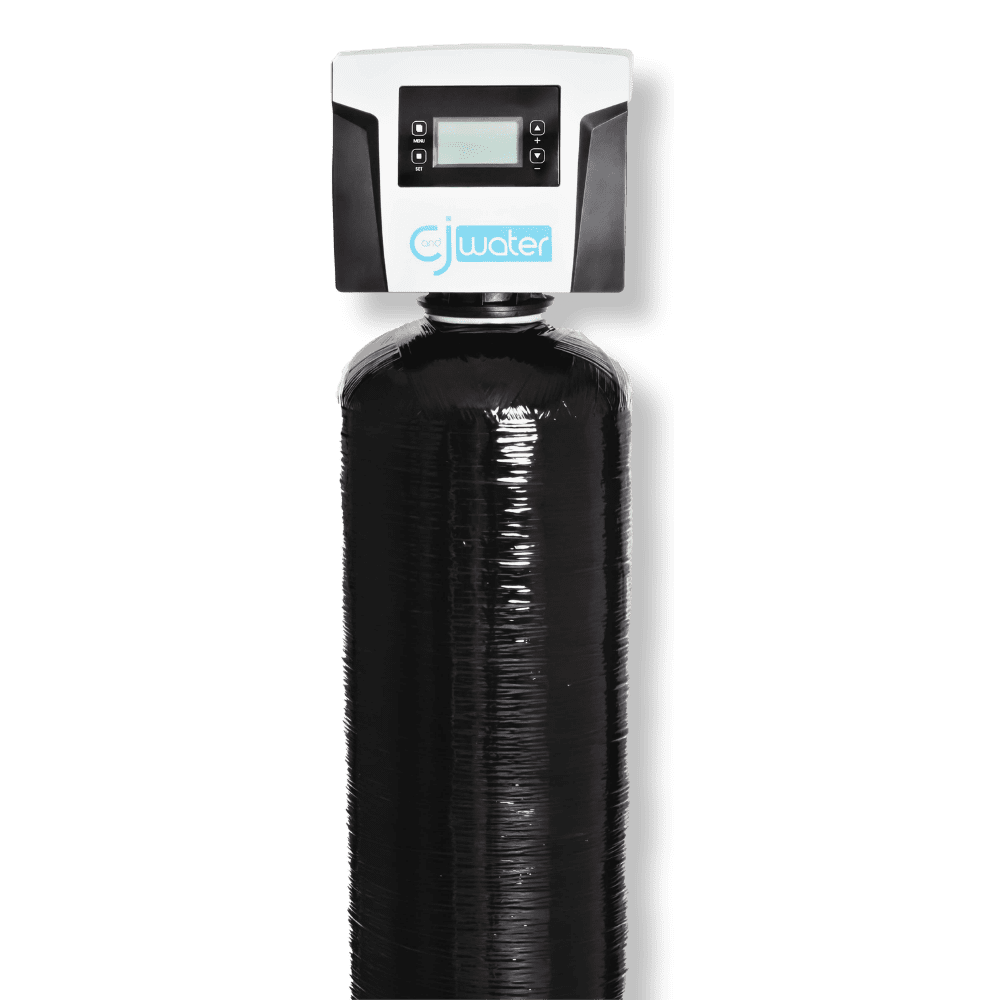
Single-Tank Softeners

The Everyday Upgrade

The single-tank water softener is the ideal solution for city water applications and can also be effective on certain well water situations. Recommended for:
• small families
• city water
• certain well situations
Single tank residential water softener with brine tank used for whole-house hard water treatment

Frequently Asked Questions About Water Softeners

What is a water softener?

A water softener is a whole-home water treatment system that removes hardness minerals, primarily calcium and magnesium, from your water. By eliminating these minerals through an ion exchange process, a water softener helps protect your plumbing, appliances, and fixtures while providing softer water throughout your home.

How do I know if I need a water softener?

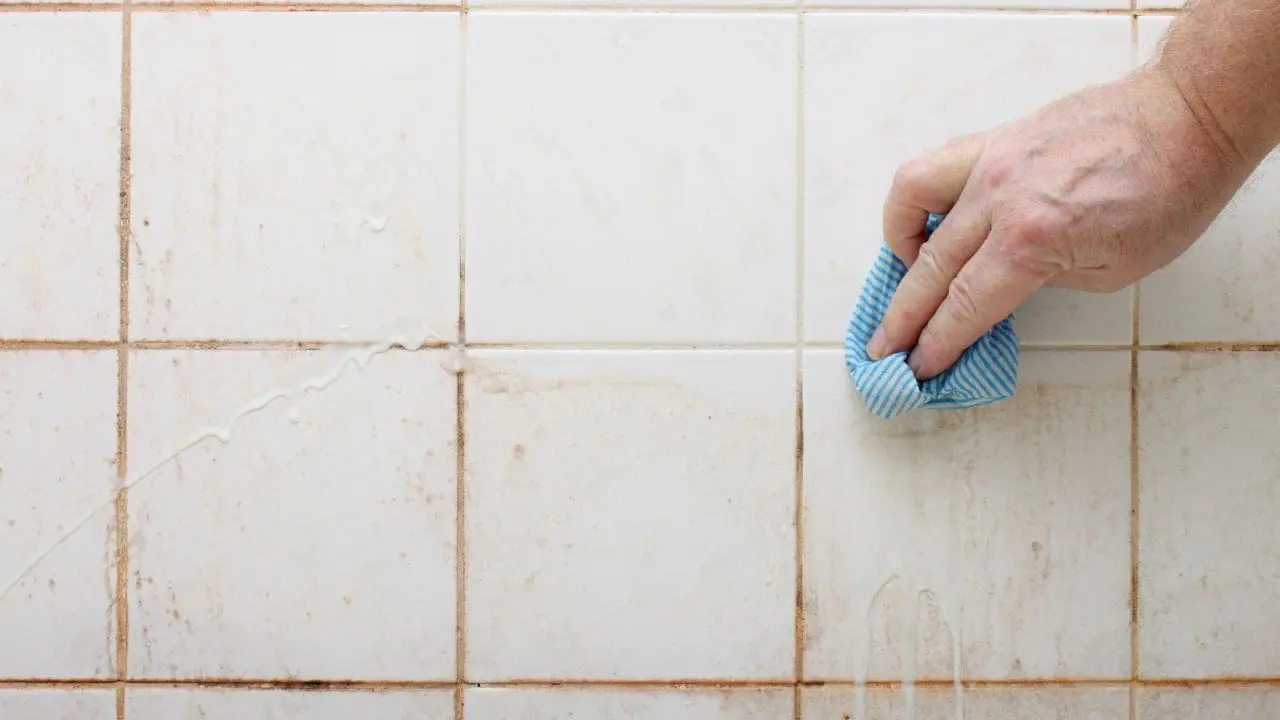
Signs of hard water include white scale buildup on faucets, spots on dishes and glassware, soap that doesn’t lather well, dry skin, dull hair, stiff laundry, and reduced efficiency of water-using appliances. A professional water test is the best way to determine your home’s hardness level and whether a water softener is the right solution.


How does a water softener work?

A water softener uses a process called ion exchange. As water passes through the system, hardness minerals like calcium and magnesium are replaced with sodium or potassium ions. The system periodically regenerates using a salt or potassium solution to recharge the resin and continue removing hardness.

What are the benefits of a water softener?

A water softener offers several benefits, including:

  • Reduces scale buildup in plumbing and appliances
  • Helps water heaters operate more efficiently
  • Leaves dishes and glassware cleaner
  • Helps soap and shampoo lather more effectively
  • Leaves skin and hair feeling softer
  • Helps clothing stay cleaner and softer
  • Extends the life of plumbing fixtures and household appliances
Will a water softener improve my drinking water?

A water softener removes hardness minerals, but it is not designed to purify drinking water or remove contaminants like chlorine, lead, nitrates, or bacteria. Many homeowners pair a water softener with a reverse osmosis system to enjoy both soft water throughout the home and highly purified drinking water at the kitchen sink.

Does a water softener remove iron?

Many water softeners can remove small amounts of dissolved iron, depending on the water chemistry and the system’s design. However, homes with higher iron levels often benefit from an iron filtration system, such as an Air Injection Oxidation (AIO) system, before the water reaches the softener.

How often do I need to add salt to my water softener?

The amount of salt your system uses depends on your household size, water hardness, and water usage. Most homeowners need to check the salt level about once a month and refill it as needed. Keeping the brine tank supplied with salt helps ensure your water softener continues operating properly.

How long does a water softener last?

A quality water softener typically lasts 15 to 20 years with proper maintenance. Regular service, occasional cleaning, and using high-quality salt can help maximize the system’s performance and lifespan.

Can a water softener be installed on well water or city water?

Yes. Water softeners work well with both well water and municipal water supplies. Since water quality varies from home to home, we recommend professional water testing to determine the right system and identify whether additional treatment, such as iron filtration or chlorine removal, would provide the best results.

Why choose C and J Water for a water softener?

At C and J Water, we know that every home’s water is different. Our Certified Water Specialists test your water, explain your options, and recommend a water softener that’s properly sized for your household and water conditions. With professional installation, dependable equipment, and local service throughout Central Indiana, we’re committed to helping your family enjoy cleaner water while protecting your home’s plumbing and appliances for years to come.

Blog Posts