
Last Updated: Dec 2, 2025
If you’re dealing with soap that won’t lather, spots on your dishes, or chalky and persistent appliance gunk—hard water is the culprit. Hard water, heavy in dissolved minerals, takes a serious toll on your home.

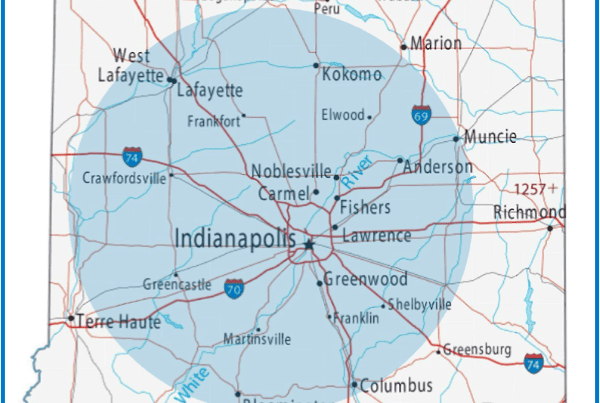
C and J Water has helped thousands of Central Indiana families treat their water—a region notorious for high hardness levels—and we’ve found the solution is always a high-quality water softener. We’ll explain how these essential systems work, what problems they prevent, and how they pay for themselves over time.
What is Hard Water and How Does a Water Softener Work?
Hard water is defined by a high concentration of dissolved minerals, primarily calcium and magnesium.
How Hard Water Damages Your Home
Central Indiana has some of the hardest water in the nation, with levels often hitting 12 to 20 grains per gallon (GPG). That’s 3 to 5 times what is considered even moderate levels. Hard water causes two main issues:
- Scale/Limescale Buildup: Heat solidifies these minerals, creating a chalky, crusty buildup on plumbing fixtures and inside appliances like coffee makers and dishwashers.
- Poor Soap Interaction: Calcium and magnesium ions interfere with soap and detergent molecules, creating soap scum instead of rich lather.
How A Softener Works: Ion Exchange
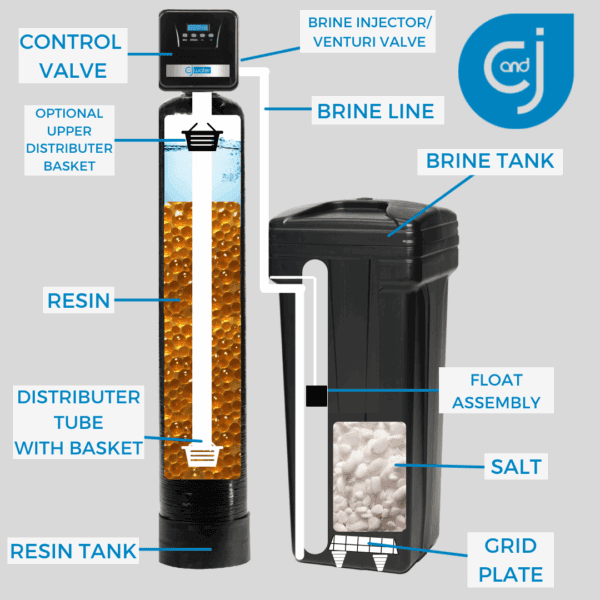
The most common and effective solution is the salt-based water softener, a system that uses a physical and chemical process called ion exchange.
- The Resin Bed: Inside the cylinder-shaped resin tank are tiny plastic resin beads supersaturated with sodium ions (from the brine in the salt container).
- The Exchange: As hard water flows over the resin beads, the calcium and magnesium ions stick to the resin due to a strong positive electrical charge. In exchange, the resin beads release the softer sodium ions into the water.
- Result: The hard minerals are removed and trapped in the tank while soft water flows into your home.
Benefits: How Soft Water Protects Your Plumbing and Appliances
The most significant benefit of soft water is protecting the parts of your home that interact with water – reducing maintenance and utility costs by hundreds of dollars each year. Independent studies sponsored by the Water Quality Research Foundation (WQRF) show that households can reduce the amount of laundry and dish detergent used by 50% or more simply by installing a water softener.
Appliance Longevity and Energy Efficiency
- Water Heaters: Hard water is devastating to water heaters (tank and tankless models). Limescale settles on the burner floor or heating elements, acting as an insulator. This forces the heater to run longer and use more power, raising utility bills and shortening the lifespan. Soft water prevents this buildup, allowing the heater to run efficiently.
- Tankless Heaters: These heaters can be twice the initial investment of typical water heaters. They are highly impacted by hard water. Scale buildup in narrow flow passages can quickly cause water pressure to plummet. Most manufacturers recommend descaling every six months if the hardness is above 5 gpg—a problem soft water eliminates.
- Washing Machines & Dishwashers: Soft water prevents mineral deposits from forming inside the machines and allows detergents to work optimally, saving money on soap and detergent costs.
- Other: Many a coffeemaker has been replaced due to hard water impact.
Reduced Clogging and Pressure Issues
Over time, mineral buildup inside pipes or fixtures reduces the flow and can cause low water pressure. The WQRF study mentioned earlier found that “showerheads using hard water lost 75% of the flow rate in less than 18 months”. Soft water stops this process.
If your pressure is dropping, it is most likely some sort of blockage or leak. If there’s been a sudden drop, that can be the sign of a recent plumbing issue. It’s also possible that, for some reason, your provider’s water pressure is down. If your neighbors are having problems, too, contact your utility.
Health and Lifestyle Benefits of Soft Water
While hard water isn’t necessarily a major health risk, removing these interfering minerals offers clear advantages and a better home experience.
- Pore Protection: Hard water interacts poorly with soap, creating a sticky film of soap scum that remains on the skin. This film can clog pores, lead to breakouts, and cause irritation.
- Sensitive Skin: Bathing in soft water may be better for sensitive skin (GoodRx) and can help reduce the severity of symptoms in individuals with eczema and rashes.
- Hair Care: Soft water rinses thoroughly, preventing minerals from dulling or drying out hair and causing scalp issues like dandruff.
- Better Taste: Soft water improves the appearance, smell, and flavor of drinking water, encouraging better hydration throughout the day.
Water Softener Components and Essential Maintenance
Understanding the types of softeners and how to maintain them is key to maximizing their 10–20 year lifespan.
Water Softener System Components
The system has three main parts: the Resin Tank (where softening occurs), the Brine Tank (stores salt for regeneration), and the Head Valve (the “brain” that controls the cycles).
System Options
- Single-Tank Softeners: The conventional type, suitable for most households. They must go offline to regenerate (recharge the resin with salt brine), which typically happens overnight.
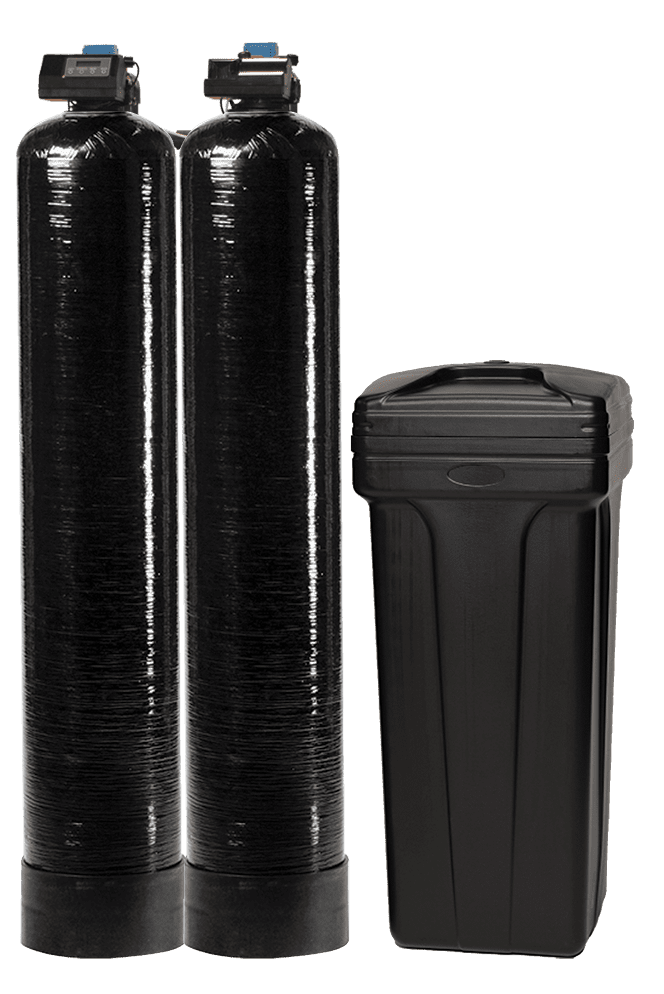
- Twin-Tank Softeners: Ideal for large families or high-demand households. When one tank is offline regenerating, the other tank kicks in, providing 24/7 soft water supply.
- Water Conditioners (Salt-Free): These systems prevent scale buildup but do not truly remove the hardness minerals (Ca/Mg). They are an option for households sensitive to any increase in sodium.
Essential Maintenance
The most common issues result from salt and resin problems.
- Salt Level: Check the salt level monthly. Use the salt you put in before adding more, and ensure the level remains a few inches above the water level. The best salt is Evaporated Salt Pellets (highest purity, 99.9%), which prevents mushing and salt bridging (a hard crust separating the salt from the water).
- Resin Life: Resin beads typically last 10 to 20 years. Signs they need replacement include a strange taste, an increase in salt usage without a change in water use, or noticing the traditional signs of hard water return.
What if you run out of salt?
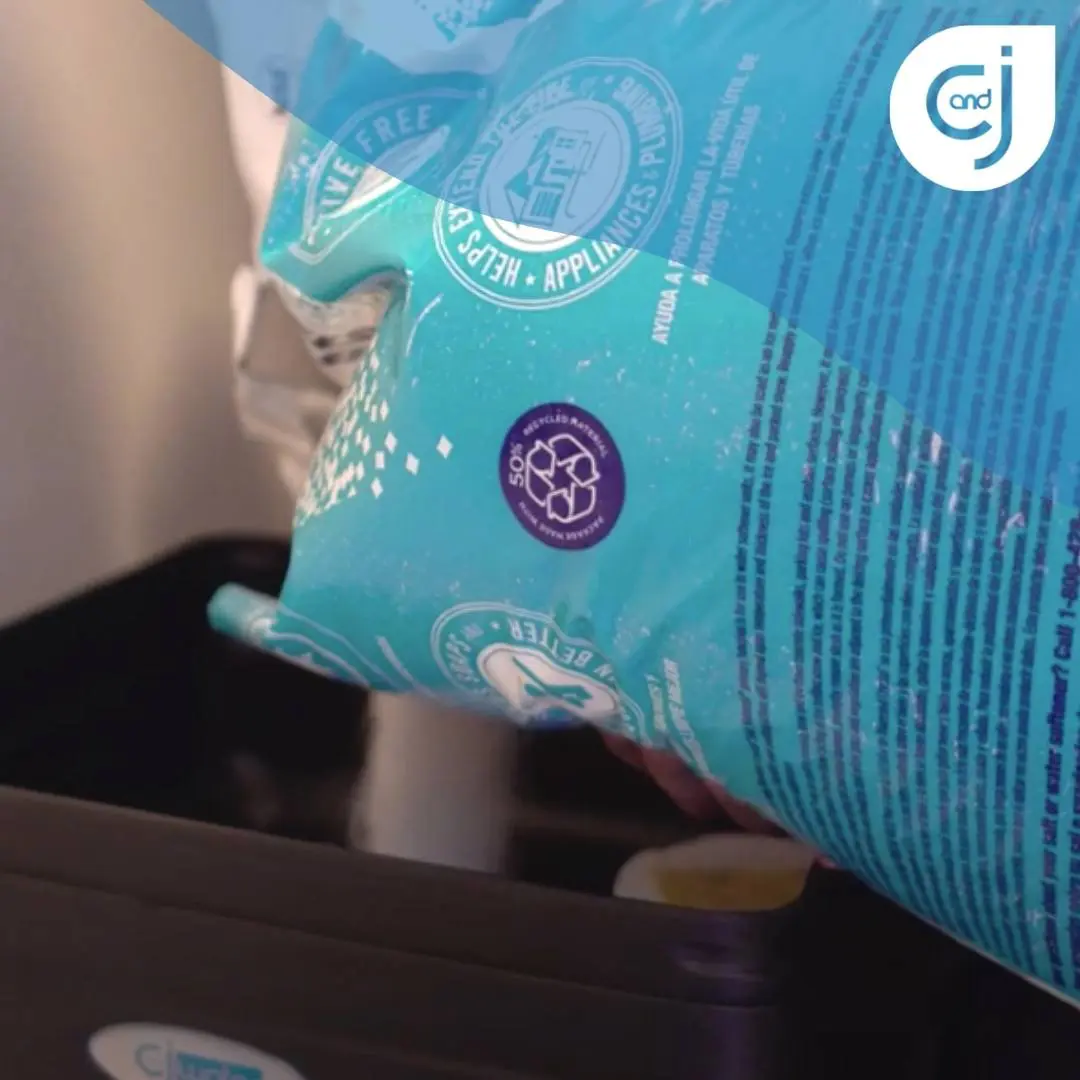
The short answer is simply to fill it up again. The better answer is to keep your brine tank at least ¼ full of salt at all times and no more than 4-6 inches from the top. Also, make sure that the salt level always remains a few inches above the water level.
Refilling it alone will not fully fix the problem. You will have to wait for the salt to dissolve into the water in the tank to form a saturated brine solution. We advise waiting 4 to 6 hours before forcing the system to regenerate. Depending on how long it has been without salt, your water heater may have hard water in it and will need to gradually fill up with soft water again.
Ready for a Whole-House Water Solution?
Soft water is the foundation of a healthy, low-maintenance home.
With WQA certification and decades of experience serving the Central Indiana area, C and J Water is an expert at analysing your water hardness and recommending the perfect system for your needs. We have solutions for your whole home, no matter what the water issue is. Contact us today to schedule your free analysis and discover the right system for your home.