What Happens When There is Too Much Iron in Your Water?
You may not know it, but your water supply could be teeming with excess iron. And while iron is an important mineral, too much of it can be dangerous to your health.
If you’ve been experiencing problems with your water, such as a metallic taste or strange residue, there’s a good chance that you have too much iron in your water.
Excessive iron in water is a common problem that many people don’t know how to solve. And it’s important to have a proper solution to this hazardous issue.
This blog post will talk about the harmful effects of excess iron in your water, how to spot excess iron, and our solutions for fixing the problem.
Keep reading to learn more.
 The Function of Iron in Our Body
 The Function of Iron in Our Body
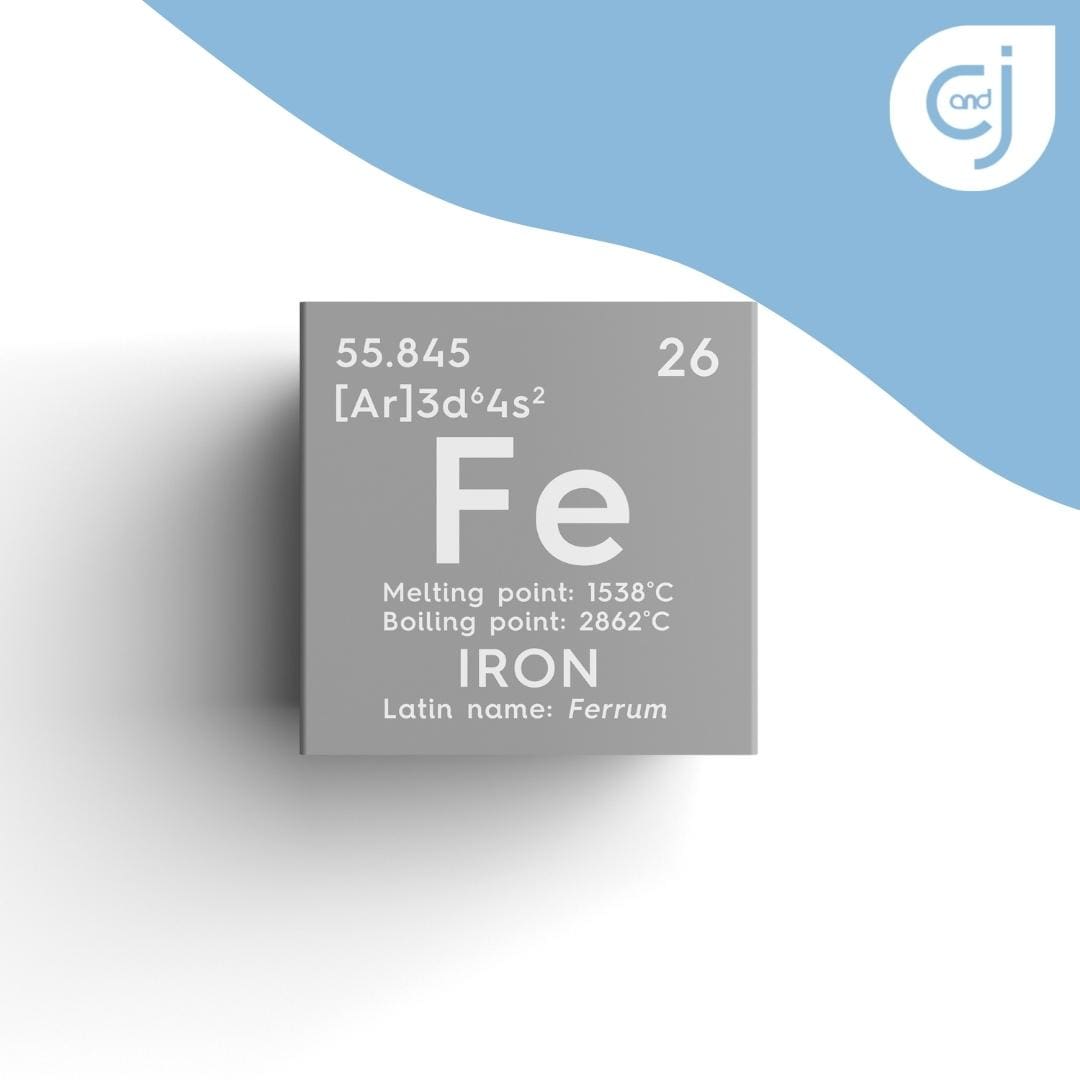
Iron is an important mineral that our body needs in small doses. It’s used to transport oxygen in the blood, and it helps to form new red blood cells.
Iron is found in meats, seafood, poultry, beans, lentils, dark leafy greens, and fortified cereals. And while most people get the iron they need from their diet, some people may need to take iron supplements.
But while our body needs iron, too much also causes serious concerns.
How Does Iron Get in Our Water?
Iron is found naturally in the environment and is often present in rocks, soil, and water. When water comes into contact with these materials, it can dissolve small amounts of iron from them.
This dissolved iron then becomes part of your water supply. In most cases, this isn’t a problem because the amount of dissolved iron is low. But sometimes, water can dissolve too much iron from the ground.
This can happen if the water is in contact with iron-rich materials for a long time or if the water has a high acidity level.
Acidity levels can be naturally high in some areas. Still, they can also be increased by factors like pollution and agricultural runoff.
The Dangers of High Iron Levels in Your Water
Excess iron is one of the water problems that can be a serious health hazard. When you drink water with high iron levels, it can potentially damage your body and cause numerous health concerns.
Iron Overload
One of the most serious dangers of excess iron in your water is iron overload. Iron overload is a condition where there’s too much iron in the body, and it can’t be removed properly. This can lead to:
- Organ damage
- Joint pain
- Fatigue
- Heart problems
Iron Toxicity
Another danger of high iron levels in your water is iron toxicity. This happens when you ingest extremely high levels of iron in a short period of time. Iron toxicity is a serious health issue that can be life-threatening.
Iron toxicity can cause a number of different issues, including:
- Nausea and vomiting
- Dizziness
- Diarrhea
- Stomach pain
- Headaches
- Fatigue
- Liver damage
Brain Damage
High levels of iron in your water can cause brain damage. Studies have shown that iron can accumulate in the brain and cause learning, behavior, and attention span issues.
DNA Damage and Cancer
Excess iron in your water can also increase your risk of cancer. Studies have also shown that iron can damage DNA and promote the growth of cancer cells.
Infections
 High levels of iron in the body can increase your risk of infections.
Iron is an essential nutrient for bacteria, and high iron levels can help bacteria grow and spread.
This can lead to a number of different infections, including:
- Urinary tract infections
- Pneumonia
- Skin infections
- Blood infections
Signs That Your Water Has Too Much Iron
So, how can you tell if your water has too much iron? There are a few different signs that you can look for.
Early Signs of Wrinkles
If you notice that your skin is starting to wrinkle or age prematurely, iron could be to blame.
Iron can damage the collagen in your skin, which leads to wrinkles and premature aging.
Clogged or Rusting Pipes
Another sign that your water has too much iron is rusting pipes.
Iron can cause your pipes to corrode and break down over time. It can also clog your pipes (due to buildup) and reduce the flow of your water.
Discolored Water
If your water is discolored, it’s another sign that there could be too much iron in it.
If you notice that your water is red, brown, or yellow, have it tested. Discoloration is one of the most common signs of iron or other metals in water.
Bad Taste or Smell in Water
If your water has a bad taste or smell, it’s a potential sign of excess iron.
Iron can give water a metallic taste that some people find unpleasant. It can also cause your water to have a musty or earthy smell that affects the quality of food and drink.
Food Cooked in Water Becomes Bitter or Discolored
If you notice that your food is starting to taste bitter or become oddly discolored, iron could be the culprit.
Water with high iron levels can cause your food to absorb the iron, which gives it a metallic taste and can also cause your food to change color.
Skin Becomes Increasingly Dry or Itchy
If you notice that your skin is becoming increasingly dry or itchy, it could signify high iron in your water.
This is because iron can strip away the natural oils in your skin, leaving it feeling dry and irritated.
Acne and Clogged Pores
If you notice that you’re starting to break out in acne or your pores are becoming clogged, iron could be the cause.
This is because iron can promote the growth of bacteria and fungus, which can lead to infections and skin problems.
Brittle, Discolored Hair
If you notice that your hair is becoming brittle or discolored, it’s another sign that excess iron could be present in your water.
This is because iron can damage the keratin in your hair, leaving it dry and susceptible to breakage.
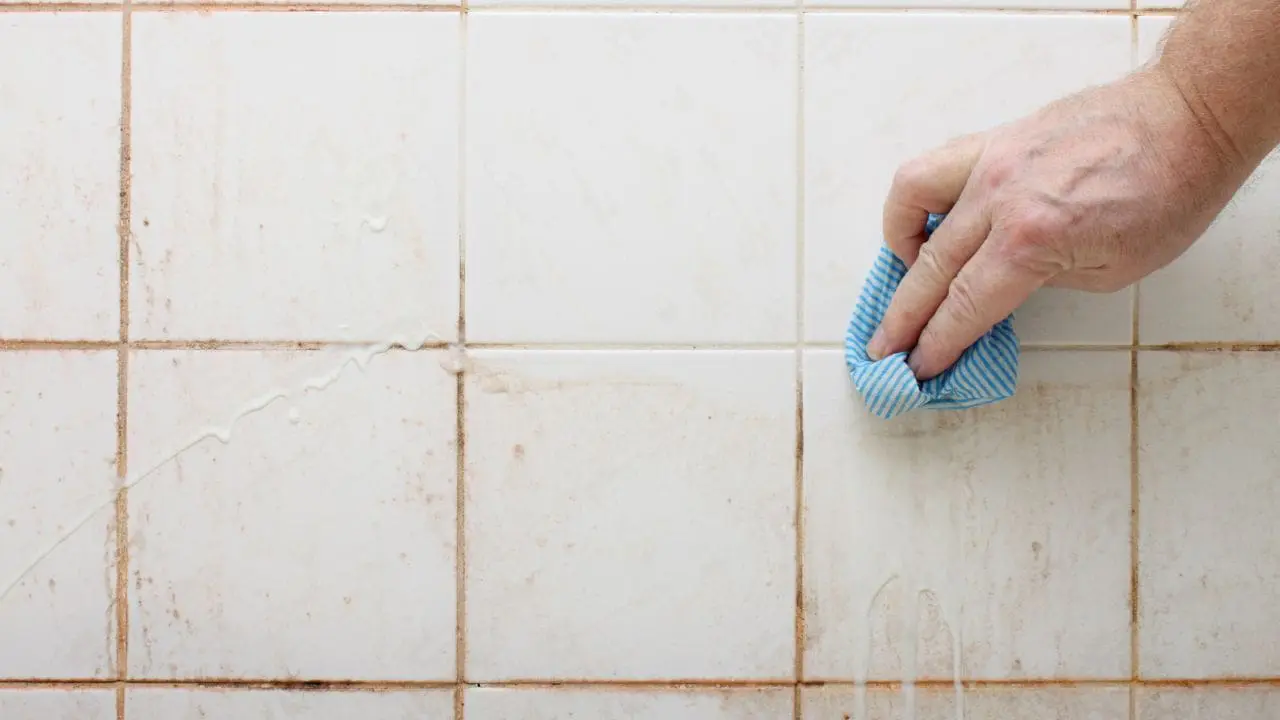
Discolored Clothing and Stains
 Discolored Clothing and Stains
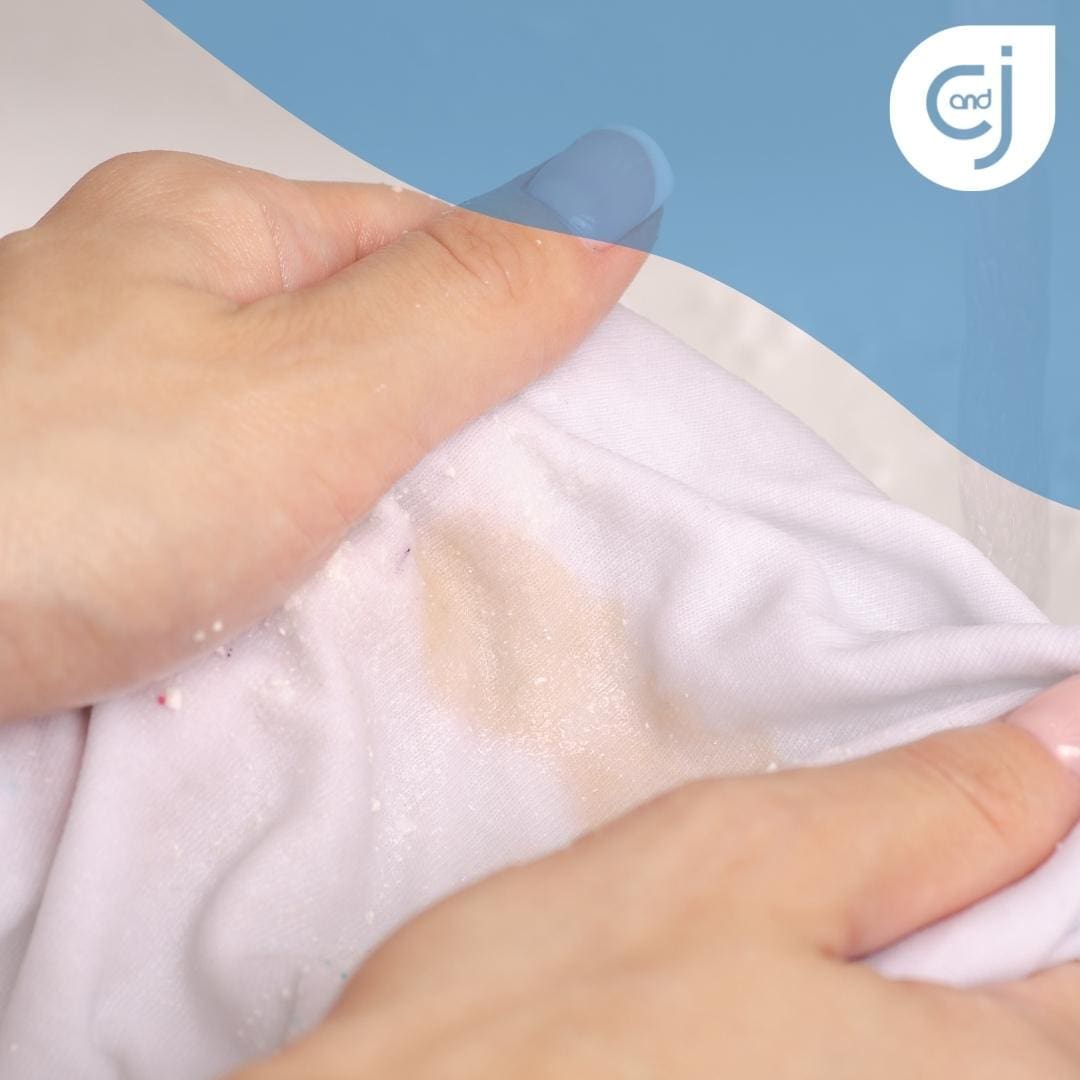
Iron can cause discoloration and stains on your clothes and dishes.
When iron comes into contact with water, it can cause pipe rusting, leading to rust being released into the water.
If you notice any of these signs, it’s important to have your water tested for iron.
Water Solutions for Excessive Iron
There are many ways to address excess iron in your water. Below are our recommended solutions for fixing the problem safely and effectively.
Testing for Iron Levels in Your Water
We always recommend starting with a water test before doing anything else. This will give you an idea of what’s in your water (like iron) and how much of it is present.
You can either purchase a do-it-yourself water testing kit or have your water tested by a professional. If you decide to test your water yourself, follow the instructions carefully.
At c and j, we offer you a free water analysis to get you started.
We’ll come to your house and give you a complete analysis of your city or rural water. We can set up a time that’s convenient for you, and the analysis will only take 30 to 45 minutes. We’ll also answer any of your concerns.
Water Softening Systems
If you have iron in your water, a water softener can be a great solution.
Water softeners work by removing hard minerals from your water. This helps improve your water quality and makes it easier and healthier to use.
At c and j, we offer the following water softening solutions for city and well water in the Central Indiana area:
- Single Tank Water Softener
- Softener/Declorinator Combo
- Twin Tank Softener
Reverse Osmosis Filtration System
A reverse osmosis filtration system goes a step further than water softeners.
This system forces water through a reverse osmosis membrane that removes impurities. It eliminates excess metals in your water, including (but not limited to):
- Iron
- Copper
- Arsenic
- Aluminum
- Lead
- Chromium
Our reverse osmosis systems offer a premium four-stage procedure for water used for drinking and cooking. Our system includes:
- Sediment Filter
- Activated Carbon Block Prefilter
- Reverse Osmosis Membrane
- Activated Carbon Block Polishing Filter
- Reservoir Tank
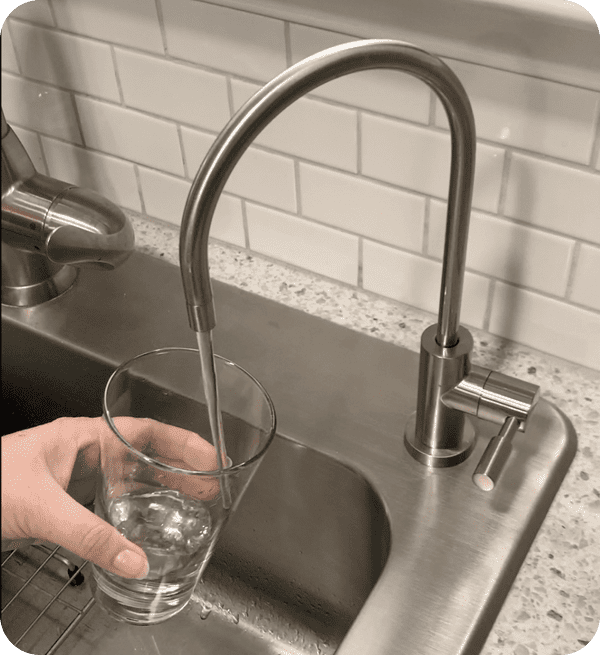
- Reverse Osmosis Faucet
AIO System for Iron Removal
Air Induction Oxidation (AIO) technology takes advantage of natural oxidation to remove iron from the water supply without chemicals, aerators, or air compressors.
AIO technology eliminates the need for strong chemical cleaners in sinks, toilets, showers, and other appliances.
Contact Us for Excessive Iron in Water
Iron in water is problematic. But at C and J Water, we offer a wide range of premium water softeners and treatments for Central Indiana residents.
We always recommend starting with a water test to get an idea of what’s in your water to identify what you and your family need.
If you have any questions or would like to schedule a free water analysis, please feel free to contact us today. We’re always happy to help you attain quality, healthy water!